
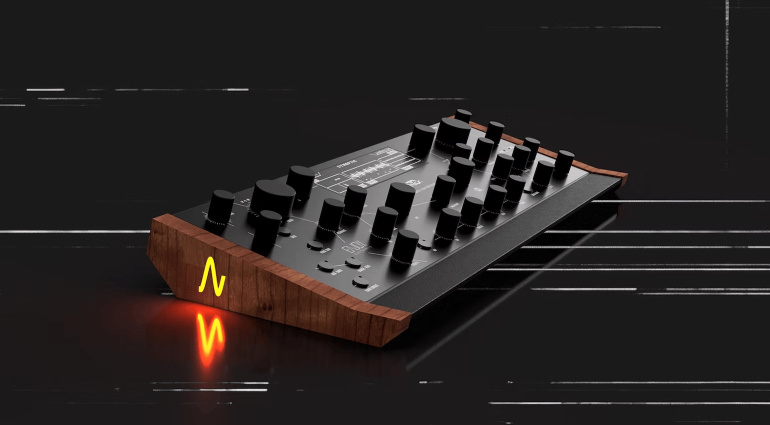
TL;DR: Italian boutique synth maker Enjoy Electronics has announced the Memento, a “Mindscapes Synaptics Flow Processor” that combines delay, reverb, filtering, and modulation sequencing into a performance-oriented effects machine. It features a Dry & Overlay section for looping and resampling, a Bidirectional Stereo Delay with filter-shapeable feedback, and a Mindscape Textures section with multihead playback and a leather touch control strip for gestural sound manipulation. No pricing yet, but we’ll keep you posted.
- Three distinct processing sections: Dry & Overlay for loop/resample, Bidirectional Stereo Delay with two independent delay lines in reverse, and Mindscape Textures with multihead and fragment modes.
- Two linkable modulation engines can act as 16-step pattern sequencers or flexible LFOs, controllable via a leather touch strip.
- Boutique desktop/Eurorack format from Italian brand Enjoy Electronics, known for creative sound manipulation.
- Pricing not yet announced; will debut at Superbooth 2026 at booth W400.
Reading time: 3 min
Want more synth news before your next coffee break? Join the Noxal newsletter — no spam, just gear worth knowing about.
What Is the Memento?

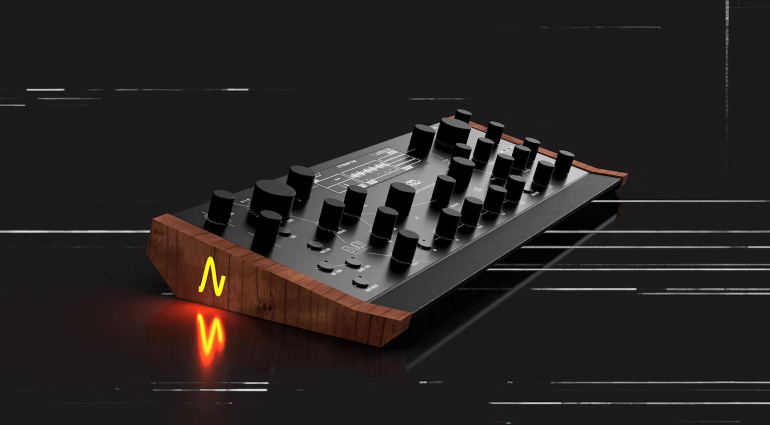
We at Noxal have a soft spot for gear that makes us feel like we’re piloting a spaceship made of reverb tails. The Enjoy Electronics Memento is exactly that kind of device. Billed as a “Mindscapes Synaptics Flow Processor,” which I’m fairly certain was coined during a late-night jam session fuelled by espresso and Eurorack patch cables, this is a performance-focused effects processor that wants you to get hands-on with your sound.
Italian boutique maker Enjoy Electronics has been quietly building a reputation for creative sound tools in both desktop and Eurorack formats. The Memento is their latest, and it’s not your standard pedal-board reverb. It’s a three-part architecture that turns your dry signal into something that evolves, loops, and generally misbehaves in the best possible way.
I’ve spent a fair amount of time with smaller boutique boxes that promise the moon but deliver a slightly overdriven triangle wave. The Memento, from what we can gather, is aiming higher. It’s not about presets; it’s about performance. And honestly, in a world of endless menu-diving, a box with a leather touch strip feels like a breath of fresh air.
The Three Pillars of Texture
The Memento’s workflow is split into three sections, and they’re all designed to play together. First up is Dry & Overlay. This is where you control the dry signal level and, crucially, the Overlay control. This lets you loop or resample audio with adjustable length, running alongside your input. Think of it as a looper that’s not afraid to get its hands dirty. You can build layers in real time, which is perfect for live sets or studio experiments where you want to capture a moment and twist it.
Then we have the Bidirectional Stereo Delay. Two independent delay lines, each capable of running in reverse. This isn’t just a ping-pong delay; you can have one line going forward and one backward, creating rhythmic chaos or serene glitchscapes. The feedback can be shaped with high-pass and low-pass filters, so you can keep things clean or let them decay into murky, filtered oblivion. It’s the kind of delay that makes you want to run your entire mix through it, just to see what happens.
The star of the show, though, is the Mindscape Textures section. This has multiple operating modes. Multihead generates a polyphonic texture array with multiple playback heads — imagine a granular synth that’s been fed a strict diet of reverb and caffeine. Then there’s the Fragments section, which samples pieces of the dry signal into a buffer. You control the size and amount, and you can manipulate the sound with gestures from the leather touch control strip. Yes, leather. It’s a tactile interface that makes you feel like you’re sculpting sound with your fingertips, not just twisting a knob.
Modulation and the Touch Strip
Modulation is where the Memento really flexes its muscles. It has two linkable modulation engines. You can configure them as 16-step modulation pattern sequencers — perfect for creating evolving, rhythmic changes to delay time, filter cutoff, or texture density. Alternatively, they can act as flexible LFOs that you can shape directly with that same leather touch strip. This means you can draw your modulation curves in real time, or let the sequencers run wild while you focus on the texture layers.
The touch strip itself is a clever addition. It’s not just a ribbon controller for pitch; it’s a gestural interface for controlling multiple parameters simultaneously. We’ve seen touch strips on things like the Make Noise 0-Coast, but having one integrated into a effects box with this level of depth is something else. It suggests that Enjoy Electronics wants you to perform with this box, not just set and forget. And for those of us who love a bit of unpredictable magic in our patches, that’s a very good thing.
I can already imagine the studio ritual: a long black coffee, a single synth line running into the Memento, and an afternoon spent chasing textures that sound like a cathedral made of broken tape machines. The modulation section is clearly designed for that kind of exploration.
Market Context and Who It’s For
The Memento enters a crowded field of boutique effects processors. We’ve seen offerings from Eventide, Strymon, and Chase Bliss, but the Memento’s focus on performance and its tripartite architecture sets it apart. It’s not a multi-effects unit in the traditional sense; it’s a cohesive instrument designed to be played. The inclusion of looping, multihead playback, and a leather touch strip suggests it’s aimed at live performers and sound designers who want to break away from static presets.
Who is this for? If you’re the kind of person who spends more time tweaking than playing, maybe not. But if you crave a device that responds to your touch, that lets you build and destroy soundscapes in real time, and that looks good enough on your desk to make you want to use it — the Memento is calling your name. It’s also for anyone who’s tired of menu-diving and wants a tactile, immediate experience. The lack of pricing is a bit of a bummer, but we expect it to land in the premium boutique bracket, given the build quality and feature set.
We’ll be watching for updates from Superbooth 2026, where the Memento will be at booth W400. Until then, I’ll be here, nursing a cold brew and refreshing my browser for pricing info.
Frequently Asked Questions
What is the Enjoy Electronics Memento?
The Memento is a performance-oriented texture effects machine that combines delay, reverb, filtering, and modulation sequencing. It’s designed for live manipulation of audio with a focus on hands-on control, featuring a leather touch strip and three distinct processing sections.
When will the Memento be available and how much does it cost?
Pricing and availability have not yet been announced. The Memento is set to debut at Superbooth 2026 at booth W400. We recommend watching Enjoy Electronics’ official channels for updates.
What formats is the Memento available in?
The Memento is designed for desktop use, but Enjoy Electronics also produces Eurorack modules. The specific format details for the Memento haven’t been fully clarified, but it’s expected to be a standalone desktop unit given the touch strip and ergonomics.
I’m off to polish my leather-touch dreams and pour another coffee. If you need me, I’ll be in the studio, chasing a reverb tail that sounds like a memory of a delay line.