TL;DR: Teenage Engineering has unveiled the EP-133 K.O. II Supreme, a significant upgrade to the beloved PO-33 K.O! pocket operator. It promises more sampling power, a reworked sequencer, and the signature punch-in effects, all packaged in the brand’s distinctive, minimalist aesthetic. They’re billing it as the fastest, most affordable sampler in its class.
- The EP-133 K.O. II Supreme is a major hardware upgrade from the PO-33, with expanded sampling capabilities and a more powerful engine.
- It features a completely reworked sequencer and the latest iteration of Teenage Engineering’s Punch-in 2.0™ effects system.
- Teenage Engineering positions it as a tool for rapid workflow, “from idea to TRACK faster than ever.”
- The design language continues the brand’s iconic, polarizing, and highly Instagrammable aesthetic.
- It aims to sit in the “affordable” sampler category, though TE’s definition of affordable often sparks debate.
Reading time: 4 min
Want more synth news before your next coffee break? Join the Noxal newsletter — no spam, just gear worth knowing about.
From Pocket to Powerhouse
Let’s be honest: the original PO-33 K.O! was a minor miracle. It crammed a surprisingly capable sampler into a calculator-sized package with a UI that felt like a secret handshake. It was flawed, charming, and incredibly potent. The announcement of the EP-133 K.O. II Supreme feels less like a sequel and more like a full-blown evolution. Teenage Engineering isn’t just iterating on a pocket operator; they’re promoting it to a main-stage act. The shift from “PO” to “EP” nomenclature is telling—this is no longer just a pocket operator, but an “Engineering Product” meant to hold its own on a desk cluttered with more traditional gear.
The core promise remains sampling, but as their spokesperson put it, with “more power, more sampling capabilities.” While we’re awaiting the full spec sheet, that phrase suggests longer sample times, perhaps higher fidelity, and almost certainly more sophisticated manipulation tools than the PO-33’s slice-and-dice approach. The goal, they claim, is a workflow that gets you “from idea to TRACK faster than ever.” In an era where DAWs can sometimes feel like piloting a spaceship, TE’s entire ethos is about reducing friction. The K.O. II Supreme appears to be their latest argument for immediacy over infinite possibility.
What’s in the Box (and on the Deck)
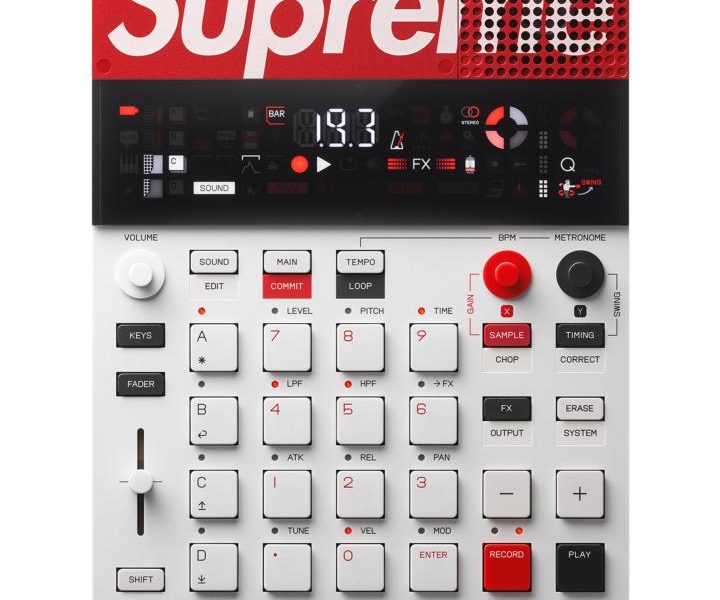
Based on the scant details, two features stand out as major upgrades. First, the “reworked sequencer.” The PO-33’s sequencer was functional but basic. A modernized sequencer on the K.O. II could mean parameter locks, more pattern memory, song mode, or all of the above. This is where the “track” part of their promise will live or die. Second, we have “Punch-in 2.0™ effects.” The original punch-in effects were a defining characteristic—those tactile, performance-ready tweaks applied with a button press. Version 2.0 likely expands the palette and depth, potentially making the device not just a sampler, but a dynamic performance instrument.
Physically, we can expect the unmistakable Teenage Engineering design language: bright orange accents, a clean (some might say sparse) layout, and that specific type of plastic that feels either delightfully toy-like or frustratingly cheap, depending on your disposition and how much coffee you’ve had. The form factor will undoubtedly be larger than the PO-33, but likely still compact by sampler standards. The real intrigue will be in the I/O. Will it have stereo outs? MIDI I/O beyond the 3.5mm TRS hack? A line-level input that doesn’t require a workaround? These are the questions that separate a fun gadget from a studio workhorse.
The Teenage Engineering Paradox
No discussion of a new Teenage Engineering product is complete without addressing the brand’s unique position in the hardware world. They operate at the intersection of sublime functionality, minimalist Scandinavian design, and pricing that often induces a sharp intake of breath. Their claim of the K.O. II Supreme being the “most affordable sampler in its class” is a classic TE move. It forces you to ask: what *is* its class? Is it the class of beautifully designed, intentionally limited grooveboxes? Or is it competing with the likes of an SP-404 MkII or an MPC One? The answer will define whether this is a runaway hit or a niche curio.
There’s also the durability question. TE gear has a reputation for being… delicate. The PO-33’s buttons were famously fragile. For the K.O. II Supreme to be taken seriously as a tool for rapid, punchy creation, it needs to withstand the enthusiastic finger-drumming of its users. If it feels like it might shatter if you look at it wrong, that “fastest workflow” claim evaporates the first time you hesitate to press a button too hard. We at Noxal hope the “Supreme” moniker implies a sturdier construction, but hope is not a spec.
Who Is This For, Really?
The target audience is multifaceted. First, it’s for the legion of PO-33 fans who hit the limits of that device and craved more. For them, this is a dream upgrade. Second, it’s for the TE aesthetes—producers and musicians for whom the object’s design is as important as its sound. It will look incredible on a desk or in a studio shot, and that matters in 2024. Third, it’s for the hardware sampler curious who are intimidated by the complexity and price of the established giants. This could be a brilliant, fun gateway drug.
However, it’s likely *not* for the power sampler who needs terabytes of storage, intricate slicing algorithms, and deep integration with a DAW. This is TE’s vision of sampling: immediate, characterful, and slightly opinionated. It’s for sketching, for jamming, for capturing a moment and mangling it into a rhythm before your coffee gets cold. If the original PO-33 was a musical pocket notebook, the EP-133 K.O. II Supreme aims to be the full sketchbook, with better pencils and a built-in whetstone. Whether it succeeds depends entirely on the execution of those promised powers and the final number on the price tag.
Frequently Asked Questions
Is the EP-133 K.O. II Supreme just a bigger PO-33?
Not exactly. While it’s the spiritual successor, the “EP” designation and mentions of more power, a reworked sequencer, and Punch-in 2.0 suggest it’s a substantial hardware and firmware upgrade. Think of it as the PO-33 graduating to a more capable, standalone unit.
What does “Punch-in 2.0™ effects” mean?
It’s the evolution of Teenage Engineering’s performance effects system. On the PO-33, pressing the “punch” buttons applied effects like filter sweeps or stutter in real-time. Version 2.0 likely offers more effects, more control over them, or a more intuitive way to integrate them into the sequencing workflow.
When will we get full specs and price?
The initial announcement is typically just a teaser from Teenage Engineering. Full specifications, detailed hands-on videos, and the all-important price are usually revealed closer to the launch date. Keep an eye on their official channels—and sites like this one—for the concrete details that will determine if this is a must-buy or a fascinating pass.
I’m off to sample the sound of my espresso machine’s steam wand into my old PO-33, for old time’s sake, while I wait for the K.O. II Supreme’s price to be revealed. May your cables never be tangled.