Unlocking Sonic Gold: Mastering Mixing Tricks with Synthesizers in Music Production
At Noxal, synthesizers are our passion. From vintage analog circuits to modern digital machines, we’re captivated by their sounds. However, capturing that magic is just half the battle; the real alchemy often occurs in the mix. Dive into essential mixing tricks with synthesizers in music production that can elevate your tracks from good to glorious.
Summary: Discover how to master mixing techniques with synthesizers, focusing on efficiency, clarity, and creativity. This guide outlines key strategies to refine your sound and achieve professional quality in your music production.
Key Takeaways:
- Learn essential EQ techniques for clarity and separation.
- Utilize dynamic control like compression and sidechaining for consistency.
- Explore depth and width with reverb, delay, and stereo imaging.
- Incorporate creative FX like modulation, saturation, and distortion for character.
- Streamline your workflow for a more efficient production process.
Estimated Reading Time: 8 minutes
Don’t miss out on our latest insights! Join our newsletter to stay updated.
Table of Contents
- The Producer’s Toolkit: Efficiency, Clarity, and Creative Intent
- Step-by-Step Mixing Tricks with Synthesizers
- EQ for Surgical Precision and Sonic Harmony
- Dynamic Control: Compression and Sidechaining
- Depth and Width: Reverb, Delay, and Stereo Imaging
- Creative Textures and FX: Modulation, Saturation, and Distortion
- The Analog vs. Digital Debate (And Why It’s Not a Debate)
- Streamlining Your Studio Sessions for Maximum Efficiency
- Conclusion: Your Sonic Canvas Awaits
- FAQ
The Producer’s Toolkit: Efficiency, Clarity, and Creative Intent
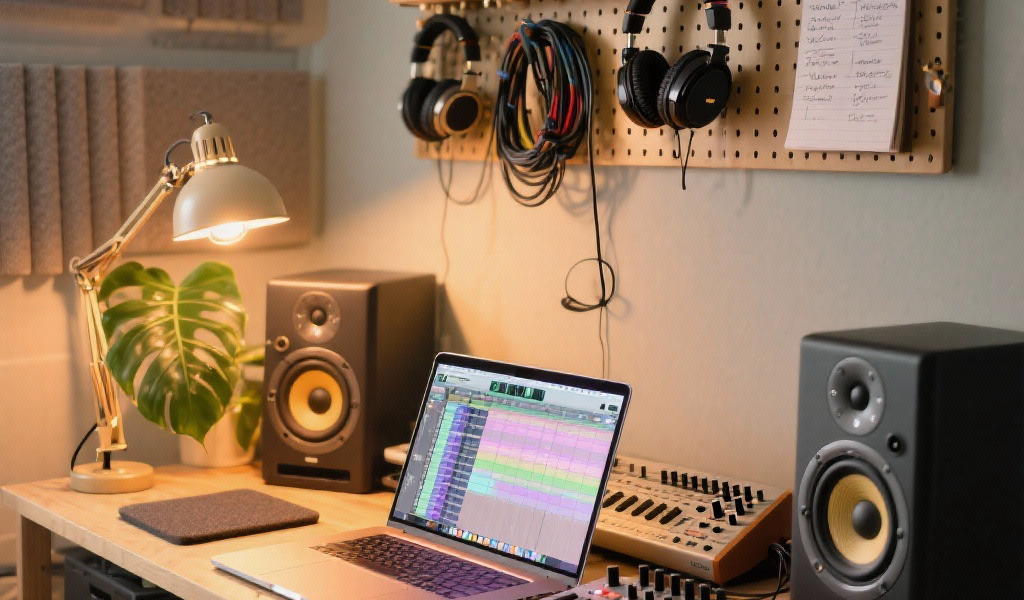
Before we dive into specific processing, let’s talk mindset and setup. Efficiency is paramount for many producers today. Consider “Alex ‘SynthWizard’ Chen,” a hypothetical producer known for clear mixes and innovative sound design. Alex’s setup features a core DAW (Ableton Live or Logic Pro X) as the hub, along with favored hardware synths like a Moog Grandmother, a Sequential Prophet Rev2, or a Roland Juno-106, plus a robust selection of software synthesizers and effects plugins.
Alex’s first rule of efficient mixing is to “mix as you go.” This involves maintaining proper gain staging from the moment a synth line is recorded, preventing headaches later. Also crucial is embracing *creative intent*: every mixing decision should serve the song’s emotional and sonic goals, focusing on the role each synthesizer plays within the track.
Step-by-Step Mixing Tricks with Synthesizers
Dive into essential mixing tricks with synthesizers in music production. These processes every electronic music producer must master include:
1. EQ for Surgical Precision and Sonic Harmony
Equalization (EQ) is fundamental for clear mixes. Synths often span a wide frequency range, leading to muddiness if not managed carefully.
- Subtractive EQ First: Cut problematic frequencies before boosting.
- Low-End Mud (80-250 Hz): Bass synths can clash with kick drums. Use narrow bell EQ to identify and cut these frequencies.
- Boxiness/Harshness (300-800 Hz): Cut harsh mid-range frequencies to prevent blending with vocals.
- Fizzy Highs (4 kHz+): Tame overly bright high frequencies with gentle cuts.
Create dedicated frequency pockets for different synths to prevent frequency masking, and enhance character by sparingly boosting defining frequencies after cleaning up. Experiment with techniques based on analog vs. digital characteristics.
2. Dynamic Control: Compression and Sidechaining
Tame dynamic synths with compression for consistency in the mix.
- Standard Compression: Customize settings based on sound type. Pads need slow attack; leads require faster settings.
- Parallel Compression (New York Compression): Blend a heavily compressed version of the synth with the original to add depth without squashing dynamics.
- Sidechain Compression: The classic technique for electronic music that allows kick drums to cut through by ducking other elements.
The ability to create rhythmic “pump” effects and ensure ample space in your mix is indispensable for clarity.
3. Depth and Width: Reverb, Delay, and Stereo Imaging
These effects are vital for crafting dimensional soundscapes.
- Reverb for Space: Use send effects instead of applying directly to tracks for cohesion.
- Delay for Rhythm: Utilize tempo-synced delays for rhythmic patterns.
- Stereo Imaging for Width: Keep bass elements mono, utilize widening tools carefully, and pan for balance.
Surround your main elements with layers of effects to create immersive environments. EQing reverb can enhance clarity and prevent muddy mixes.
4. Creative Textures and FX: Modulation, Saturation, and Distortion
Distinguish your sound with personality through modulation and saturation effects.
- Modulation Effects: Enhance sounds with chorus or phaser effects for dynamic movement.
- Saturation for Warmth: Apply subtle tape or tube saturation for richness without excessive volume.
- Aggressive Distortion: Use judiciously on basslines for a more pronounced character.
These effects allow you to further sculpt and define your synthesizer sounds, making them stand out and resonate.
The Analog vs. Digital Debate (And Why It’s Not a Debate)
Understanding the balances of both analog and digital sounds is crucial.
- Analog Synths: Deliver warmth and organic movement—ideal for a musical feel.
- Digital Synths: Offer versatility and precision, crucial for intricate sonic design.
Combining the strengths of both worlds leads to richer textures and defined sounds. Alex ‘SynthWizard’ Chen embodies this hybrid philosophy, showcasing diverse capabilities in his sound palette.
Streamlining Your Studio Sessions for Maximum Efficiency
Enhance productivity with efficient workflows.
- DAW Templates: Create custom templates with basic EQ settings and synth channels pre-loaded.
- Organize Tracks: Clearly name and color-code tracks to simplify navigation.
- Bouncing/Freezing Tracks: Commit to sounds by bouncing tracks to save CPU and resources.
Always reference high-quality tracks and mix in context for clarity, and don’t forget to take breaks to maintain fresh ears during the mixing process.
Conclusion: Your Sonic Canvas Awaits
Mastering mixing tricks with synthesizers in music production is a continuous journey. From foundational EQ and compression to expansive depth and creative flair, each technique allows you to express your artistic vision.
Pursue emotional resonance over technical perfection, and embrace experimentation in your synth mixes. At Noxal, we nurture a community for producers to share and inspire each other on their journeys.
FAQ
What are *your* favorite mixing tricks for synthesizers? Share your golden advice or secret hardware setup!
Until next time, remember: mixing synths can be like taming a feral cat—difficult and full of surprises, but once you’ve mastered it, oh boy, it purrs like a charm!