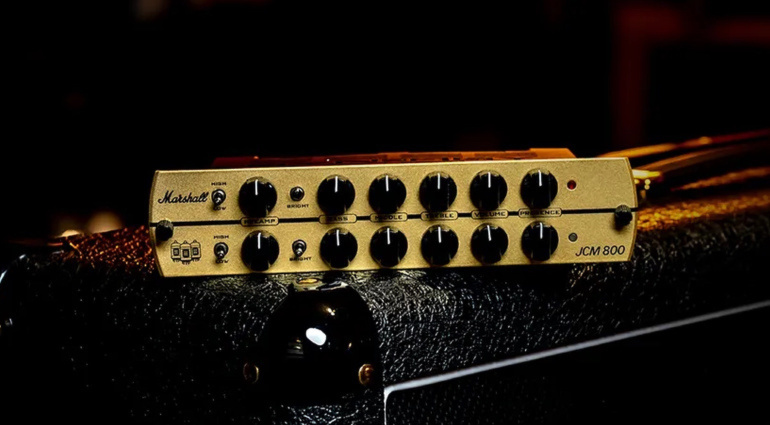
TL;DR: Synergy has officially launched a Marshall JCM 800 preamp module for its modular amp system. It packs the iconic dual-channel 2203/2204 circuit into a single slot, offering the classic high-gain British roar with modern flexibility. At $444, it’s a direct line to 80s rock nirvana for Synergy platform users.
- Authentic dual-channel JCM 800 (2203/2204) circuit in a single Synergy module.
- Features three 12AX7 tubes, a zero-watt power amp, phase inverter, and cathode selector for tube response adjustment.
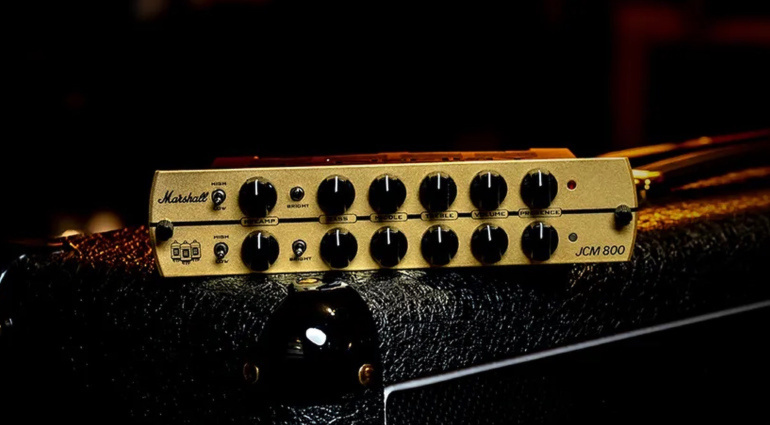
- Standard controls: Preamp, Bass, Middle, Treble, Presence, Volume, plus High/Low Gain and Bright switches.
- Designed for Synergy SYN-20IR heads/combo or other compatible mother amps.
- Priced at $444 / £442 / €499 and available now.
Reading time: 4 min
Want more synth news before your next coffee break? Join the Noxal newsletter — no spam, just gear worth knowing about.
What Is This Thing?

Let’s cut through the marketing haze. This isn’t a new amp. It’s not a pedal. The Synergy Marshall JCM 800 Preamp is a module—a physical, slot-in circuit board—for Synergy’s modular amplifier ecosystem. Think of Synergy as a hardware plugin host for guitar tones. You buy a “mother” amp (like their SYN-20IR head or combo), which is essentially a power section and a chassis with slots. Then, you populate those slots with preamp modules that contain the actual tone-shaping circuitry of legendary amplifiers. This new module is the official, Marshall-blessed digital-to-analog converter for your 80s rock fantasies.
The partnership isn’t new; Synergy has been collaborating with Marshall (and others like Diezel and Friedman) for years to translate wall-of-sound backline beasts into lunchbox-friendly format. But the JCM 800 is a special beast. It’s the amp that defined hard rock and early metal, a sound built on a specific, glorious harmonic saturation that later high-gain circuits often polished into sterility. Capturing that isn’t just about gain; it’s about feel, response, and that particular midrange bark. Synergy’s approach uses actual tubes and carefully modeled analog circuits to get there, making this more than a mere emulation.
For the uninitiated, this system offers a compelling alternative to the “amp wall” or digital modelers. It’s a tangible, tweakable middle ground. You can slot in a Fender-style clean module next to this Marshall, or pair it with a modern high-gain monster, all through the same power amp and cab. It’s flexibility with a tactile, component-level authenticity that plugin GUIs still struggle to match.
Why It Matters (Beyond the Logo)
We at Noxal typically cover synths, but tone is tone, and the engineering philosophy here resonates deeply with modular synthesis. It’s about component-level control and system-based thinking. The significance of this module isn’t just the Marshall name—it’s that it represents the continued maturation and validation of the modular amp concept. When iconic brands like Marshall lend their blueprints and branding, it signals that this isn’t a niche gimmick but a viable platform for professional tone.
Personally, my first real amp was a JCM 800 2203. It was a 100-watt behemoth that could peel paint at 30 paces and required a forklift for transport. The idea of accessing that specific, punishingly loud character from a module I could fit in a backpack is still slightly mind-bending. This module isn’t just about convenience; it’s about access. It democratizes a sound that was historically tied to deafening volume and back-breaking gear, allowing it to be used in home studios, fly-rigs, and lower-wattage contexts without sacrificing the essential DNA.
Furthermore, it’s a dual-channel design based on the coveted vertical-input 2203/2204 circuits. In practice, this means you’re essentially getting two classic JCM 800s in one slot. For songwriters or session players, that’s huge. You can set one channel for a crunchy, pushed-clean rhythm and the other for a searing lead, all within the same tonal family. It turns a one-trick pony (a glorious, snarling pony) into a more versatile workhorse.
Specs and Switches
Let’s get technical. Inside the module are three 12AX7 preamp tubes doing the heavy lifting. Synergy has also included an integrated zero-watt power amplifier and a phase inverter, which are key to replicating the “feel” and dynamic response of a full amp head, not just the preamp gain staging. A clever inclusion is the cathode selector switch on the circuit board, allowing tech-inclined users to adjust the tube response—a level of internal tweakability you’d normally only get with a soldering iron and a schematic.
The front panel is a lesson in elegant, no-nonsense design. It has all the controls you’d find on the original: Preamp, Bass, Middle, Treble, Presence, and Volume. Then, it adds the crucial utilities: a High/Low Gain switch for taming the beast, and a Bright switch. That’s it. No hidden menus, no secondary functions. This adherence to the original layout is a feature, not a bug. It means muscle memory from a lifetime of playing through 800s translates directly. You don’t need to re-learn your instrument; you just plug in and turn up.
The module is designed to work with Synergy’s ecosystem. You’ll need a compatible “mother” unit like the SYN-20IR, which provides the high-voltage power, the speaker output, and the cab-simulated direct outs. This symbiosis is the whole point. The module provides the iconic voice; the mother amp provides the practical infrastructure for the modern player, including headphone practice and silent recording.
Who Is It For (And Is It Worth It)?
This module is a targeted strike. It’s for the guitarist who already believes in, or is curious about, the Synergy modular system and craves that specific, unvarnished British roar. It’s for the touring musician who needs reliable, top-tier tones in a compact, flyable format. It’s for the home studio owner who wants authentic amp tone at conversation-level volumes via the power amp’s attenuation or direct out. It is decidedly not for someone looking for a cheap way into the JCM 800 sound—a used combo or a pedal will be far less expensive.
At $444 for just the preamp module, the value proposition hinges entirely on your investment in the platform. If you already own a Synergy amp, this is a no-brainer addition that massively expands your palette. If you’re starting from zero, the cost of entry—mother amp plus one or two modules—enters the realm of a high-end tube combo or a premium modeler. You’re paying for the modularity, the authenticity of discrete components, and the “collectibility” of physical tone modules.
In the broader market, it sits as a premium, hardware-based alternative to Neural DSP plugins or a Kemper profiling amp. It offers less sheer variety than a modeler but arguably more tactile satisfaction and a different kind of authenticity rooted in analog signal paths. For the player who views amp tones as a curated collection, much like we view hardware synths, the Synergy system, and this JCM 800 module in particular, is a profoundly compelling way to build a dream rig, one legendary circuit at a time.
Frequently Asked Questions
Do I need a Synergy amp to use this module?
Yes, absolutely. The Synergy Marshall JCM 800 Preamp is only a preamp circuit. It requires a Synergy-compatible “mother” amplifier (like the SYN-20IR Head or Combo) to provide tube power, a speaker output, and necessary power supplies. It will not function as a standalone unit or with standard amp heads.
How does this compare to a JCM 800 pedal or plugin?
It’s a different category. Pedals and plugins are digital or solid-state emulations. This module uses actual 12AX7 tubes and analog circuitry licensed from Marshall to replicate the amp’s preamp section, paired with a zero-watt power amp stage for feel. It’s an analog hardware reproduction, offering a tactile, component-level experience that many feel is closer to the response of the original amp, albeit within the Synergy system’s framework.
Can I run this module silently for recording?
Yes, if your Synergy mother amp supports it. Models like the SYN-20IR have built-in Two-Notes Torpedo cab simulation and direct XLR/line outputs with headphone jacks. This allows you to run the preamp module’s tone directly into an audio interface or mixer for silent recording or practice, completely bypassing the need for a physical guitar cabinet.
Now, if you’ll excuse me, I need to go explain to my synthesizers why the guitar module suddenly has me playing power chords. Don’t worry, I’ll be back to the oscillators after this cup of coffee and one more ride the lightning.