The Ultimate Synergy: Combining Drum Machines and Synths in Music Production for Unrivaled Creativity
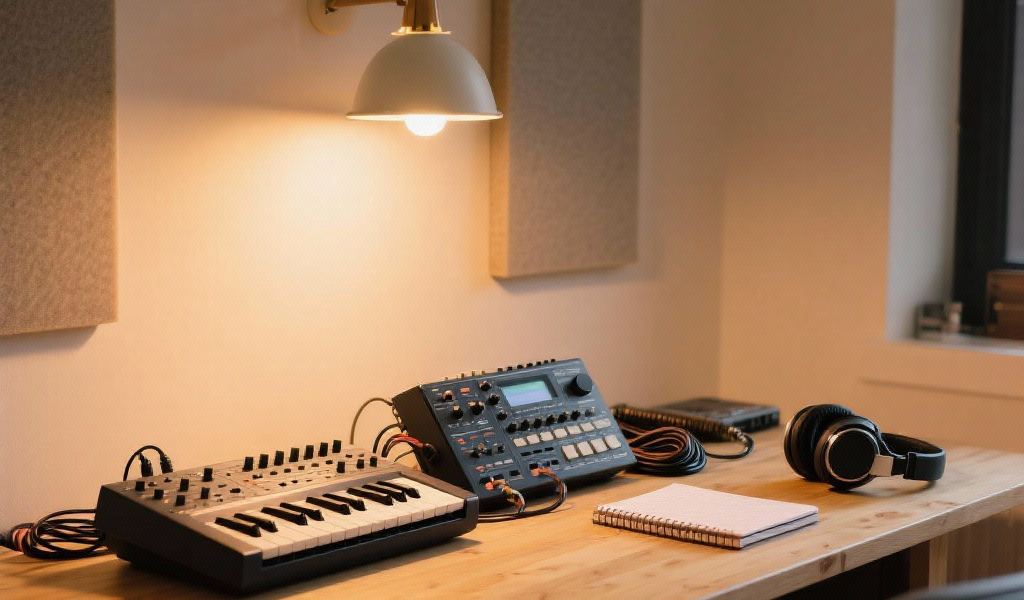
From the pulsating heart of techno to shimmering soundscapes of synthwave, combining drum machines and synths enhances creativity in electronic music production. At Noxal, we view this blend as both a technical necessity and an artistic canvas for exploring sound.
This article explores the profound synergy between drum machines and synthesizers, presenting insights and techniques to help you dive into electronic music production.
Summary: This article explores the powerful synergy between drum machines and synthesizers in music production. It discusses workflows, practical techniques, and the cultural impact of this combination, inspiring both new and experienced producers to explore the endless possibilities offered by this creative union.
Key Takeaways:
- The fusion of drum machines and synths unlocks new creative potentials across various genres.
- Different workflows, including DAW-centric, hardware-centric, and hybrid setups, shape producer approaches.
- Advanced techniques like rhythmic synthesis, parameter locking, and sidechain compression enhance production quality.
- Experimentation and breaking conventional roles foster innovation in sound design.
Estimated Reading Time: 8 minutes
Join our newsletter to stay updated with the latest insights and production techniques from Noxal.
Table of Contents
- Why the Fusion? Unpacking the Power of Combined Setups
- Workflow Wizards: Comparing Approaches to Integrating Drums and Synths
- DAW-Centric Integration: The Digital Powerhouse
- Hardware-Centric (DAWless) Integration: The Tactile Experience
- Hybrid Setups: The Best of Both Worlds
- Beyond the Basics: Practical Tips for Maximizing Your Creative Synergy
- 1. Rhythmic Synthesis: Using Synths for Percussion
- 2. Melodic Drums: Using Drum Machines to Trigger Synth Sounds
- 3. Parameter Locking & Automation: Bringing Movement and Evolution
- 4. Sidechain Compression: The Classic Groove Injector
- 5. Experiment with MIDI Sequencing: Cross-Pollination of Ideas
- The Unending Journey of Sonic Exploration
- FAQ Section
Why the Fusion? Unpacking the Power of Combined Setups
The moment you start combining drum machines and synths in music production, you unlock a level of depth and versatility that is hard to achieve with either tool in isolation. This fusion directly leads to an increase in versatility across genres, allowing producers to craft everything from intricate IDM to driving house anthems.
Drum machines provide the backbone – the rhythm, the pulse, the driving force. They give your track its body, its danceability, and foundation. Synthesizers, on the other hand, bring the soul, the color, and the narrative, creating melodies, harmonies, and atmospheric textures.
When these two forces unite, magic happens. The rhythmic precision of a programmed drum pattern provides a canvas for a synth’s expressive arpeggio. A booming synth bassline gains irresistible groove when locked in with a tight kick drum. This synergy has shaped genres, enhancing the sound of electronic music for decades.
Workflow Wizards: Comparing Approaches to Integrating Drums and Synths
Combining drum machines and synths in music production offers a rich comparison between workflows. From fully “in-the-box” digital setups to entirely DAWless hardware rigs, understanding these approaches can help you find your personal sweet spot for creative expression.
DAW-Centric Integration: The Digital Powerhouse
For many modern producers, the Digital Audio Workstation (DAW) is the central hub of their studio. Integrating devices here involves using software instruments, samples, and MIDI controllers.
Pros:
- Infinite Possibilities: DAWs offer unlimited tracks, effects, and automation lanes, enabling sophisticated sound design.
- Precision and Control: Editing MIDI data and drawing in automation provides surgical precision for complex arrangements.
- Recall and Organization: Every setting is saved within your project, allowing easy revisions.
- Cost-Effectiveness: Many DAWs come bundled with excellent stock instruments.
Cons:
- Screen Time: Endless hours can lead to a less intuitive process.
- Decision Paralysis: Numerous options can overwhelm, breaking the creative flow.
- Latency Issues: Some systems may experience latency, impacting performance.
Practical Tips for DAW Users:
- MIDI Routing: Learn to route MIDI across devices to maximize your workflow.
- Parallel Processing: Use parallel compression to glue together your instruments.
- Template Your Workflow: Create custom templates to streamline your setup.
Hardware-Centric (DAWless) Integration: The Tactile Experience
For those craving hands-on connection with sound, a hardware-centric or “DAWless” setup is often preferred, physically connecting devices.
Pros:
- Tactile and Immediate: Physically manipulating hardware fosters a performative approach.
- Unique Sonic Character: Many hardware units have distinct sounds difficult to replicate in software.
- Fewer Distractions: Without a screen, you’re forced to utilize your limited tools creatively.
- “Jam Session” Feel: Ideal for improvising and live performances.
Cons:
- Limited Tracks/Recall: Fewer tracks can limit complex arrangements.
- Cost and Space: Hardware can be expensive and bulky.
- Mixing and Mastering Challenges: External equipment may complicate achieving a polished sound.
Practical Tips for Hardware Enthusiasts:
- MIDI Clock Sync: Ensure all devices are tempo-synced to maintain cohesion.
- MIDI Chaining: Be cautious of latency in long chains.
- Audio Routing: Use a mixer to sum audio outputs before sending them to speakers.
- Performance: Focus on live aspects — create dynamic changes in real-time.
Hybrid Setups: The Best of Both Worlds
Many producers find the sweet spot in a hybrid approach, leveraging both hardware and software benefits.
Pros:
- Ultimate Flexibility: Use hardware for character while relying on DAWs for flexibility.
- Expanded Sound Palette: Access both physical and software instruments for diverse sounds.
- Streamlined Workflow: Record hardware jams into a DAW for edits and arrangements.
Practical Tips for Hybrid Users:
- Audio Interfaces with Multiple Inputs: Invest in hardware that accommodates all outputs.
- MIDI Interfaces: Utilize MIDI interfaces for seamless integration of devices.
- External Instrument Plugins: Use dedicated plugins for integrating hardware into your DAW.
- Re-amping/Hardware Inserts: Route tracks to hardware effects for unique character.
Beyond the Basics: Practical Tips for Maximizing Your Creative Synergy
Now that we’ve explored the fundamental reasons and workflows for combining drum machines and synths in music production, let’s dive into some advanced techniques.
1. Rhythmic Synthesis: Using Synths for Percussion
Don’t limit your synthesizers to melodies. Many classic drum sounds can be synthesized, resulting in unique and powerful drum sounds.
- Kick Drums: A sine wave with a fast pitch envelope could mimic an 808-style kick.
- Snares: White noise combined with a tone creates a distinctive snare sound.
- Hi-Hats/Cymbals: High-pass filtered white noise can yield crisp percussion.
- Practical Takeaway: Experiment by crafting unique drum sounds on your synths.
2. Melodic Drums: Using Drum Machines to Trigger Synth Sounds
Your drum machine’s sequencer can output MIDI notes, allowing for innovative melodic patterns.
- Arpeggiator Alternative: Program a drum pattern on your machine, sending MIDI to a synth for complex arpeggios.
- Percussive Melodies: Trigger short synth sounds using rhythms from your drum machine.
- Practical Takeaway: Experiment with sending MIDI outputs creatively to discover unique interactions.
3. Parameter Locking & Automation: Bringing Movement and Evolution
Static sounds can become boring; embrace movement through parameter locking and automation.
- Drum Machine Parameter Locks: Apply various effects to specific steps in your sequence.
- Synth Automation: Modulate filters, envelope times, and LFO rates over time.
- Practical Takeaway: Think about how your sounds evolve over several bars; make them breathe!
4. Sidechain Compression: The Classic Groove Injector
Sidechain compression ducks the volume of one sound when another hits, creating a driving groove.
- Pump and Drive: This effect makes your kick feel more pronounced.
- Clarity: It helps maintain sonic space in the mix.
- Creative Tool: Sidechain other rhythmic elements for unique interactions.
- Practical Takeaway: Start using sidechain compression to glue your sounds together.
5. Experiment with MIDI Sequencing: Cross-Pollination of Ideas
Don’t feel constrained by conventional roles. The versatility of MIDI can lead to innovative music.
- Sequencing Drums with a Synth Arpeggiator: Send MIDI from arpeggiators to drums to create complex patterns.
- Sequencing Synths with a Drum Machine: Utilize your drum machine to generate melodic patterns.
- Practical Takeaway: Experiment with MIDI to discover new sonic territories.
The Unending Journey of Sonic Exploration
The art of combining drum machines and synths in music production is a journey without a destination. Here at Noxal, we’re passionate about pushing these boundaries and embracing the future of music.
This combination empowers you to tell your unique sonic story. Whether you’re crafting intricate soundscapes or experimenting in your home studio, the interaction between rhythm and melody is where magic unfolds.
What are your favorite drum machine and synth combinations?Share your setups, techniques, and discoveries!
Join the Noxal community and dive deeper into the world of synthesizers, production techniques, and electronic music culture. Follow us for insights that will inspire your next sonic adventure.
FAQ Section
Q: What is the best way to combine a drum machine and synthesizer?
A: Experiment with different workflows and techniques, like MIDI routing and sidechain compression, to discover what works best for your creative process.
Q: Do I need expensive gear to create unique sounds?
A: No, unique sounds can be crafted using basic equipment and creative techniques.
Q: How can I improve my workflow when using both devices?
A: Template your DAW setup and practice good MIDI management to streamline your creative process.
As you venture into the world of music production, just remember: every time you think you’ve mastered a synth, there’s a new update that guarantees you’ll accidentally create a sound that’s closer to dinnerware than an original composition! May your synthesizer never run out of juice, and your creativity always stay in tune!